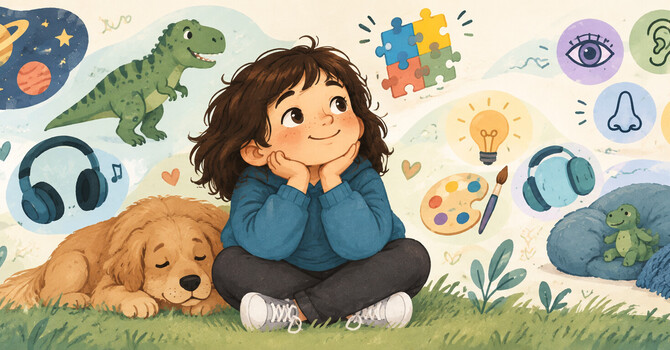
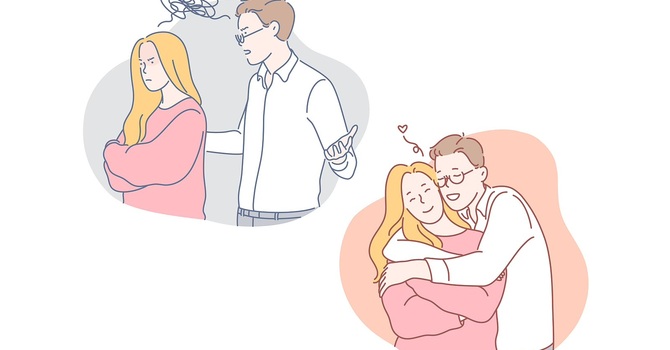
For a long time, autism was mostly perceived to be a neurodevelopmental disorder related to boys. As a result, many women grew up feeling “different” without having the language to explain why.
Autism is a lifelong neurodevelopmental condition that affects people across all ages and backgrounds. The World Health Organization estimates that approximately 1 in 100 people globally are autistic, and North American data suggest that prevalence may be even higher, with recent estimates indicating around 1 in 36 individuals in the United States and approximately 1 in 50 people in Canada identified as being on the autism spectrum. These numbers highlight that autism is not rare; it is a common and important part of human neurodiversity.
Although autism has historically been diagnosed more frequently in males, growing research suggests that girls and women are often under-identified. Many women do not receive a diagnosis until adolescence or adulthood due to barriers such as diagnostic criteria based on male presentations, subtler social differences, and masking or camouflaging behaviours. As a result, women on the autism spectrum are frequently misdiagnosed with anxiety, depression, or other mental health conditions before autism is recognised, delaying access to appropriate understanding and support.
Today, we understand that autism in women often looks different. It can be subtle. Internal. Masked. And because of that, it’s often missed.
Here are five things many autistic women relate to.
1. You Become Really Good at Masking.
Throughout my work as a therapist, women on the spectrum fell into two categories: quiet and awkward or intense and awkward. Those who fell in the quiet and awkward category often had high masking or camouflaging scores and were labelled as shy, stubborn, or overly sensitive. Additionally, they could be labelled “quiet, capable,” holding it all together while feeling completely exhausted inside.
On the other hand, those who fell into the category of intense and awkward were often perceived by others to be dramatic, loud, performative, and “too much.” Many autistic women become experts at studying people. They might rehearse conversations before they happen (using scripts) and replay them afterward.
They may also closely watch how others act and copy what seems to work. From the outside, they may look socially confident. On the inside, however, the social anxiety is rising, and they are beginning to feel overstimulated, leading to a feeling of being constantly “on.”
Masking can help you fit in, but over time, it can become exhausting. Most women do not realise how much energy they are using just to get through the day.
2. Your Interests Run Deep
One of the things I often notice in my work with women on the autism spectrum is how they light up when talking about something they love. There is usually a depth and intensity that goes far beyond a casual hobby. Whether it’s psychology, a specific TV series, wellness, social justice, books, animals, history, human behaviour, or a niche topic others might overlook, it’s rarely surface-level. It might involve hours of research, analysing patterns, memorising details, building systems, or immersing fully in the topic.
For many women, these interests provide comfort, regulation, and a sense of identity. It can be a way to decompress after feeling socially overwhelmed, allowing them to reconnect with like-minded people, or, in some cases, when interests align, to shape a career path.
For example, a client of mine explored her passion for green energy with her husband, and they are now on several projects together, living in a way that aligns with their values and interests. What stands out isn’t necessarily the subject; it's the depth, focus, and meaning attached to it. And rather than being something to minimise, these passions are often powerful strengths.
3. Socialising Can Leave You Drained
You might enjoy people and still feel completely wiped out afterward. For example, something I often hear is “I like people… but I feel really drained.”Social interaction can feel like performing:- Monitoring your tone.- Your facial expressions.- When it’s your turn to talk.- Whether you said the “right” thing. Afterwards, you may need hours (or days) alone to reset. That’s not being antisocial; that’s nervous system fatigue, and it takes time to regulate emotions. During therapy, you will learn many emotional regulation skills that can help you recover faster. A mantra here might be a good trick.
For example, I like to teach clients to go in with not just a script but something that helps them stay more focused, which often leads to greater presence. One that clients can use is “presence over performance.”
Do you have a mantra that you would like to share?
Social interaction can often feel less like simply connecting and more like managing multiple things at once. There can be a constant internal checklist running in the background:
Monitoring your tone.
Adjusting your facial expressions.
Figuring out when it’s your turn to speak.
Wondering whether you said the “right” thing.
Even when the interaction goes well, your brain and nervous system have been working overtime. Something I often hear in my work is: “I like people… but I feel really drained.” This sentence captures it perfectly. It’s not about disliking others; it’s about the invisible cognitive and sensory effort that social interactions require.
Afterwards, you may need hours, sometimes even days, alone to reset. That isn’t being antisocial; it’s nervous system fatigue, and it takes time to regulate and recover. In therapy, we often work on emotional regulation skills that help shorten that recovery window and reduce the intensity of the crash afterward. Small shifts can make a meaningful difference. Sometimes a simple mantra can help reduce the pressure in the moment.
I often encourage clients to go into social situations not just with a mental script, but with something grounding that brings them back to themselves. One phrase I like to share is: “Presence over performance.”It serves as a reminder that you don’t have to execute the interaction perfectly; you just have to be there. Do you have a mantra that helps you feel more grounded in social situations?
4. You Were Probably Given Other Labels First
In my professional experience, many autistic women are first diagnosed with anxiety, depression, eating disorders, or personality-related concerns before autism is ever considered.
Research reflects this pattern, showing that up to 70% of autistic individuals experience significant anxiety, and approximately 40–50% experience depression at some point in their lives.
For many women, these diagnoses may capture part of their experience but not the full picture. Because autism diagnostic criteria were historically based on male presentations, women’s traits can be more easily overlooked or attributed solely to mood or personality factors. As a result, many spend years receiving treatment for symptoms without anyone recognising the underlying neurotype, which can delay appropriate support and leave them feeling misunderstood. When autism is finally identified, it often brings a sense of clarity and validation that was missing for years. For example, some women, discovering autism later in life feels like everything suddenly makes sense. It shifts the question from “What’s wrong with me?” to “Oh… this is how my brain works.” That reframe can be incredibly validating.
5. You Feel Things Deeply
There is a long-standing myth that autistic people lack empathy. In my experience, the opposite is often true. Many autistic women describe feeling emotions intensely, sometimes to the point of overwhelm. For example, you might replay a conversation for days, analysing every word and facial expression, worrying that you upset someone without meaning to. You may notice subtle shifts in someone’s tone or energy that others miss and carry that feeling with you long after the interaction ends. You might also absorb other people’s moods quickly. If someone close to you is stressed, angry, or upset, your body may respond as if it’s happening to you. Conflict can feel physically uncomfortable. Injustice, whether in personal relationships or in the world at large, can feel deeply distressing and hard to “turn off.”
Caring doesn’t feel casual. It feels consuming.
For many women, the challenge isn’t a lack of empathy; it's having an overly sensitive emotional system that easily becomes overloaded!
When your nervous system is already working hard to process social and sensory input, strong emotions can push it past capacity. Understanding this can be freeing. It shifts the narrative from “I’m too sensitive” to “My system processes deeply, and I need tools to regulate it.”
Why This Matters: When autism in women goes unrecognised, it can lead to years of self-doubt. Many women spend a long time trying to “fix” themselves, not realising they were simply navigating a world that wasn’t designed for their brains. Over time, this can chip away at confidence and create a quiet belief that they are somehow failing at things that seem effortless for others. The exhaustion of constantly pushing through, masking, or blaming themselves can be incredibly heavy to carry alone. When the lens shifts from self-criticism to self-understanding, it often opens the door to relief, self-compassion, and a gentler way of moving through the world.
Autism in women is not rare; it’s often just overlooked. And recognition can be powerful. It can lead to self-compassion, reduced masking, healthier boundaries, and support that actually fits.
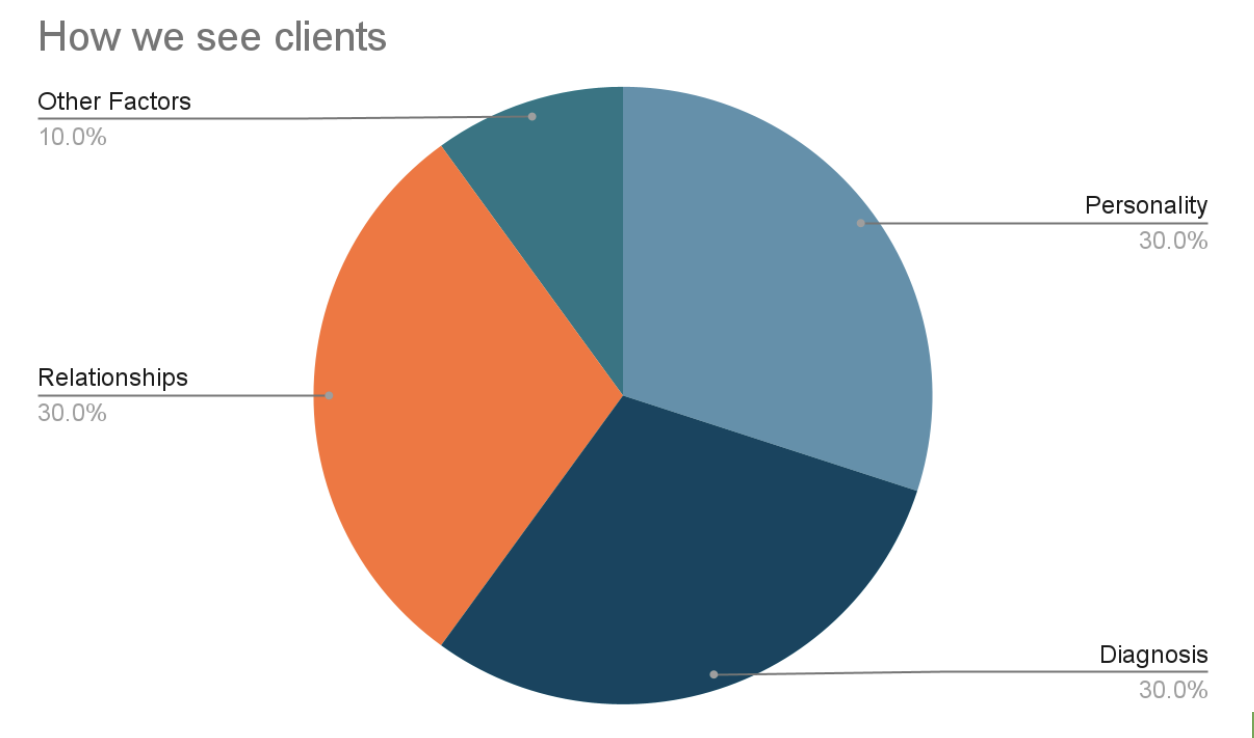
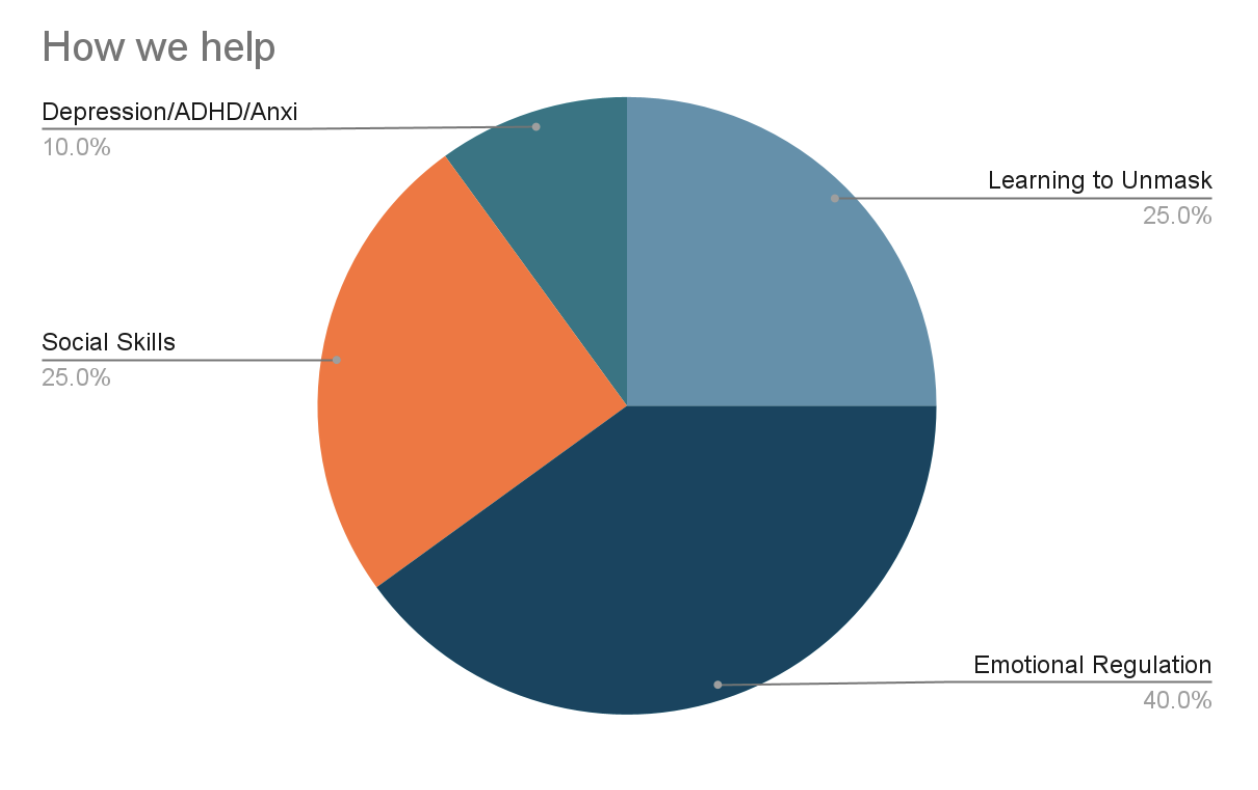
How The Therapy Nest Can Help. At The Therapy Nest, we see the whole person, not just a label. We often work with clients from both the holistic and medical views. Dismissing what is important to a client is not what we do; we try to meet clients where they are at.
Emily Russell
Licensed Counselling Therapist (LCT-C) with the College of Counselling Therapists of New Brunswick (CCTNB) and a Certified Canadian Counsellor (CCC) with the Canadian Counselling and Psychotherapy Association (CCPA).
Contact Me