Whenever I work with clients who may be struggling with depression, I like to ask them a simple question:
“What is the opposite of depression?” (Or what heals depression?)
Most people have never thought about this and the answer is simply: Expression.
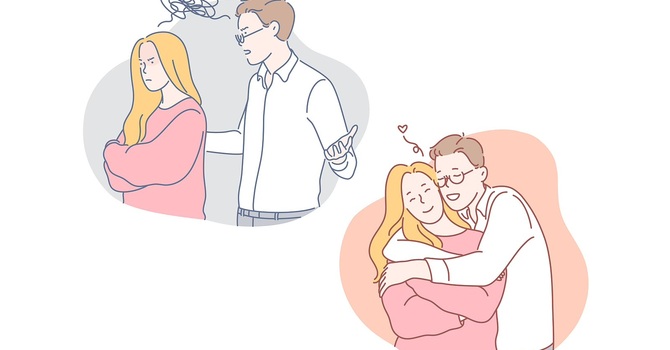
Providing clients a space to unmask can encourage them to express emotions in a meaningful and connected way. It is truly a rare and powerful relationship that blossoms between a therapist and client when they hit the sweet spot of feeling supported, trusting, and connected at the same time.
Clients may find that as they become more confident and comfortable with their newfound relationship, stored streams of expression flow effortlessly out of them, allowing them to unburden feelings of shame, guilt, hurt, anger and resentment in a non-judgmental environment. Therapeutic relationships allow clients to sit with difficult emotions and embrace the turmoil that they have often hid from years or months from the world.
“We know from extensive research that high quality therapeutic relationships can be deeply healing and transformative, especially, when clients find someone they can trust to go on this journey with them.”
Additionally, due to the isolating nature of depressive symptoms most depressed people are misunderstood or dismayed when they find out that even their loved ones are less and less patient with them as the weeks pass by. This can cause more pain and anxiety, fueling the need for even more isolation and loneliness.
At The Therapy Nest, we want to ease this cycle by first creating a good therapeutic relationship with you.
We do this by offering you a free fifteen minute consultation and then creating a bond with you so that you can not only feel safe but also less vulnerable when exploring your inner world.
Major Depressive Disorder (MDD)
Major Depressive Disorder (MDD) (more commonly known as depression) is a widespread but serious mental health condition that affects how you think, feel, and function. It is more than occasional sadness or stress; it is a persistent experience that can make even simple tasks feel overwhelming.
Depression can affect anyone, regardless of age, background, or life circumstances. Feeling depressed is not a sign of weakness, and it is not something you have to face alone. In fact, almost everyone will experience one or more episode (s) of depression in their lives and what determines whether someone meets diagnostic criteria or not is according to how long and how severe their symptoms are.
Signs and Symptoms
Depression presents differently for each individual, but common symptoms include:
- Ongoing feelings of sadness, emptiness, or hopelessness
- Loss of interest in activities you once enjoyed
- Low energy or persistent fatigue
- Changes in sleep patterns (sleeping too much or too little)
- Changes in appetite or weight
- Difficulty concentrating or making decisions
- Feelings of guilt, worthlessness, or self-criticism
- Withdrawing from relationships or social activities
If these symptoms have been present for more than two weeks and are interfering with your daily life, it may be time to seek professional support.
To read more on symptoms check out NIMH & diagnostic criteria
What Causes Depression?
Depression does not have one single cause. Instead, it often develops through a combination of factors that build over time. These can include biological influences like brain chemistry and genetics, life experiences such as trauma, loss, or major transitions, ongoing stress related to work, relationships, or finances, and psychological patterns like negative or self-critical thinking.
For some, seasonal patterns also play a role. Seasonal affective disorder (SAD) is a form of depression linked to changes in daylight, often emerging in the fall and winter months. Even as symptoms begin to ease with the arrival of spring, it can be easy to overlook how impactful they’ve been or delay seeking support. Everyone’s experience is different, and these factors can interact in unique ways, which is why understanding the root of your experience is an important part of the therapeutic process.
How Common is Depression?
Depression is one of the most widespread mental health conditions globally and you are far from alone in experiencing it.
- Approximately 332 million people worldwide live with depression.
- Around 5–6% of adults globally experience depression at any given time.
- Depression is the leading contributor to disability worldwide, impacting quality of life, work, and relationships.
- Each year, over 700,000 deaths are linked to suicide, with depression being a major contributing factor.
Despite how common it is, only about one-third of people receive the care they need, often due to stigma on mental health or limited access to services.
More on stats -> W.H.O.1 & W.H.O.2
Treatment Options
At The Therapy Nest, we take a personalized and evidence-based approach to treating depression. We recognize that each person’s experience is unique and we work collaboratively with you to create a treatment plan that fits your needs and goals.
Individual Therapy
A safe, confidential space to explore your thoughts, emotions, and experiences. Together, we work to better understand what you’re going through, build insight, and develop tools to support your wellbeing. Two effective types of therapy shown to improve depression include Cognitive Behavioral Therapy and Emotion-Focused Approaches
Our services may include:
Cognitive Behavioral Therapy (CBT) is a type of psychotherapy that is organized, short-term, goal oriented. In order to manage certain health concerns such as depression. CBT focuses on how ideas, emotions, and actions interact. It is helpful in assisting individuals to identify while also challenging the negative thought patterns and behaviors.
When experiencing symptoms of depression, it’s common to have patterns of negative thinking,for example, patterns of self-talk that involve phrases such as “I’m not good enough,” or “nothing will change” but when CBT is used we can identify these patterns and gently challenge them, by replacing them with more balanced and realistic perspectives, such as “This bad moment doesn’t define me” or “I can change this”.
It also incorporates behavioral activation, encouraging small, manageable actions such as getting out of bed, going for a walk, or re-engaging in activities can help improve mood and rebuild a sense of motivation over time.
Emotion-Focused Therapy (EFT) is a methodical, evidence-based psychotherapy that teaches clients how to identify, evaluate, and change their emotions. It asserts that emotions are fundamentally adaptable guides and is based on humanistic and attachment theories. For clients with depression, EFT can help them better understand, process, and regulate their emotions.
It teaches them that avoiding or suppressing feelings can cause more harm to their internal environment and create barriers to psychological safety.
At The Therapy Nest, our therapists will work with you to explore both suppressed and expressed emotions safely. This will encourage you to make sense of your emotional experiences in a meaningful way and respond to them with greater self-compassion.
Facilitating Referrals
When appropriate, we can support you in navigating referrals to other practitioners, such as dietitians, psychiatrists, nurse practitioners, social workers, physiotherapists, or other providers to expand your care. This might look like medication support or additional assessments as part of a comprehensive treatment plan.
What to Expect from Therapy
Starting therapy can come with feelings of uncertainty, but it is often a meaningful step toward relief and understanding.
In your first session, we focus on getting to know you, which includes your experiences, concerns, and what you hope to change. We do this by creating a space where you can share at your own pace without pressure or judgment.
We explore:
- What brought you in,
- The challenges you’re currently facing,
- Family history
- Trauma score
- Relationship issues and
- Any relevant aspects of your personal history, while also discussing your goals for therapy and what progress might look like for you.
Most importantly, this session is about building a sense of connection and safety, so you feel supported as you begin.
Together, we will work to identify patterns that may be contributing to your depression, develop coping strategies to help manage difficult emotions, build skills that support daily functioning and resilience, and move toward goals that are meaningful and important to you.
Progress may take time, but you don’t have to go through it alone.
You are Not Alone
If you are struggling to get through the day, feeling disconnected from yourself or others, or noticing a persistent low mood that isn’t improving, it may be time to seek support. Depression can feel isolating, but you don’t have to navigate it alone. Support is available and recovery is possible. The therapists at The Therapy Nest are here to walk alongside you with care, respect, and professional guidance.
N.B.
Chimo Helpline
Call 1-800-667-5005 (24/7 emotional support & crisis line)
811 Health Line
P.E.I.
Mental Health & Addictions Access Line
Call 1-833-553-6983 (24/7 support from a mental health professional)
811 Health Line
N.S.
Provincial Mental Health and Addictions Crisis Line
Call 1-888-429-8167 (24/7 crisis support)
211 Nova Scotia
N.L.
811 Health Line
Bridge the gapp an online hub for services, self-help tools, and local supports
911
If you are experiencing thoughts of harming yourself or feel unsafe, please seek immediate help through emergency services or the suicide crisis helpline at 988. Reaching out is a courageous step, and when you’re ready, we’re here to help.
Emily Russell
Licensed Counselling Therapist (LCT-C) with the College of Counselling Therapists of New Brunswick (CCTNB) and a Certified Canadian Counsellor (CCC) with the Canadian Counselling and Psychotherapy Association (CCPA).
Contact Me