What is Attention Deficit Hyperactivity Disorder?
Attention-deficit/hyperactivity disorder (ADHD) is a common neurodevelopmental disorder that affects both children and adults. It is typically characterized by patterns of inattention (difficulty sustaining focus), hyperactivity (excessive movement or restlessness that may not fit the situation), and impulsivity (acting quickly without fully thinking things through).
ADHD is a lifelong disorder that is known to impact individuals in many aspects of their life, including academic and professional achievements, interpersonal relationships, and daily functioning, which can often feel debilitating. When not supported, children with ADHD may struggle with academic demands, social interactions, and self-esteem. In adulthood, ADHD can show up as ongoing challenges with organization, focus, and emotional regulation, as well as increased sensitivity to criticism or negative self-talk sometimes shaped by years of misunderstanding or feedback related to their symptoms. With the right support, ADHD symptoms can become more manageable, and daily life can begin to feel more steady and easier to navigate.
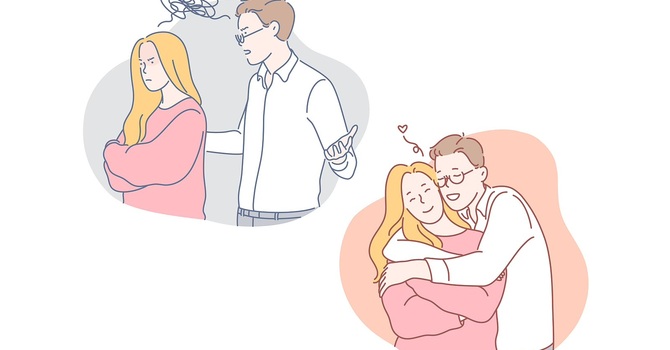
Being in a relationship with someone with ADHD can bring a lot of energy, creativity, and connection into a relationship. However, it can also feel confusing at times if you’re not familiar with how ADHD shows up in everyday life. With greater understanding, open communication, and a willingness to adapt, these relationships can be deeply supportive, meaningful, and full of growth.
What ADHD Can Look Like in a Relationship
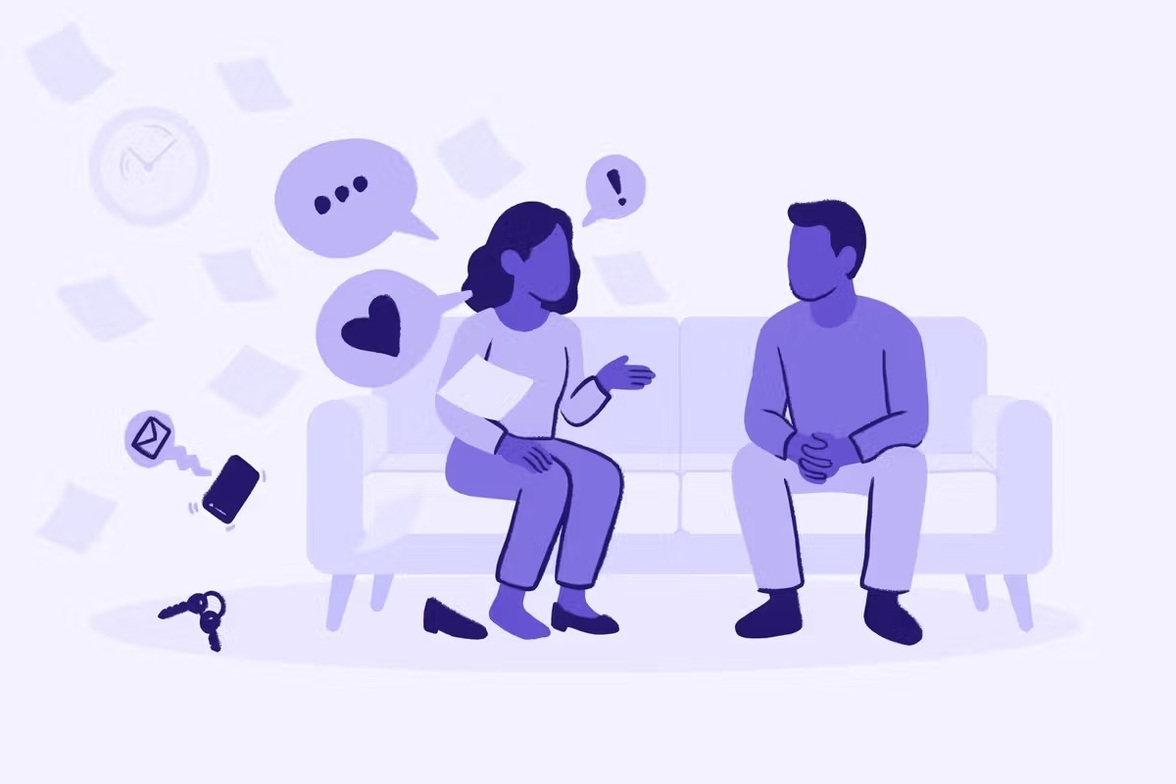
ADHD affects more than just attention; it can also affect memory, emotional regulation, time management, and organization. In relationships, this might look like:
- Forgetting plans or important details
- Struggling with time (running late, underestimating how long things take)
- Getting distracted during conversations
- Emotional intensity or quick shifts in mood
- Difficulty following through on tasks
These behaviors are often misunderstood as a lack of care or effort, but they are rooted in how the brain processes information, not in how much your partner values you.
Strengths Your Partner May Bring
Someone with ADHD can bring many meaningful strengths to a relationship. Your partner may have a lot of creativity and a way of thinking outside the box, along with a sense of spontaneity that keeps things fun. As much as creativity and spontaneity are entertaining, they can be detrimental as well.
There’s often a deep passion in how they connect to people and things that they care about. Many individuals with ADHD also experience strong empathy and emotional depth. Taking time to notice and appreciate these qualities can help create a more balanced view of your partner, such as seeing them as a whole person, not just challenges that you might also face.
Common Relationship Challenges - The Big “I” (impulsivity)
From research, we know that one of the most costly and destructive symptoms of ADHD is impulsivity. For example, your partner with ADHD might be late picking you up from work simply because they decide to run the dishwasher, sweep the floor, feed the cat, send a quick text to the plumber, run upstairs to make the bed, and put clothes in the dryer right before they have to pick you up! You are probably thinking, “Why didn’t they do this sooner?” The truth is, they could have, but they did not simply because they struggle with anticipatory anxiety. It is the time gap that occurs between two events; the waiting game, a limbo phase that often leaves those with ADHD restless. Some try to be productive during this time but severely underestimate how much time they really have to complete a task.
If you find it hard to understand those with ADHD (or yourself, if you suspect you have ADHD), you can try to look for these patterns in order to reduce relationship tension in your life:
1. Communication Gaps
Your partner may interrupt, forget parts of conversations, or seem distracted. This can feel invalidating if not talked about openly.
2. Follow-Through & Responsibility
Tasks or commitments may be started but not completed, leading to frustration or imbalance.
3. Emotional Reactivity
Some individuals with ADHD experience intense emotions or sensitivity to rejection, which can make conflict feel heightened.
4. Time & Planning Difficulties
Last-minute changes or lateness can create stress, especially where structure can be very important for someone with ADHD.
What Could Help the Relationship
Healthy ADHD relationships are not about trying to fix your partner, but it is about building systems and understanding together.
1. Be Clear and Direct
Avoid hinting or assuming. Clear communication reduces misunderstandings.
2. Use External Supports
Calendars, reminders, and shared notes can take pressure off memory and help both partners stay aligned.
3. Don’t Personalize Everything
Forgetting or distraction is rarely about a lack of care. Try to separate intention from impact.
4. Create Structure Together
Simple routines or check-ins can improve consistency without feeling restrictive.
5. Validate Effort, Not Just Outcomes
ADHD often requires more effort for the same tasks recognizing that matters.
If You are the Partner with ADHD
Being open about how ADHD affects you, taking responsibility for using tools and supports, and communicating when you’re feeling overwhelmed can make a meaningful difference in your relationship. It’s also important to repair when things are missed or forgotten. Developing self-awareness in these areas helps build trust and strengthens connections over time.
If You are Dating Someone with ADHD
Approaching your partner with curiosity instead of criticism can make a big difference, especially when you’re both still learning what ADHD looks like in your relationship. Taking time to understand ADHD beyond stereotypes, while also being honest about your own needs and boundaries, helps create a sense of safety for both of you. It’s just as important to recognize the effort your partner is putting in, while also acknowledging how things impact you. Understanding isn’t about accepting everything, it's about responding with care, honesty, and intention.
Seeking Support
If patterns in your relationship feel stuck or the same conflicts keep coming up, therapy can be a helpful next step. Therapy provides a supportive, neutral space to better understand how ADHD is showing up in your relationship and how it may be impacting communication and connection. In therapy, you can work together to improve communication, build practical systems that work for both of you, and strengthen your relationship without blame or shame. The goal isn’t to place blame, but it’s to create more understanding, teamwork, and lasting change.
Final Thoughts
Dating someone with ADHD isn’t about lowering expectations, it's about adjusting how you approach them. With empathy, structure, and open communication, these relationships can be deeply fulfilling.
Emily Russell
Licensed Counselling Therapist (LCT-C) with the College of Counselling Therapists of New Brunswick (CCTNB) and a Certified Canadian Counsellor (CCC) with the Canadian Counselling and Psychotherapy Association (CCPA).
Contact Me