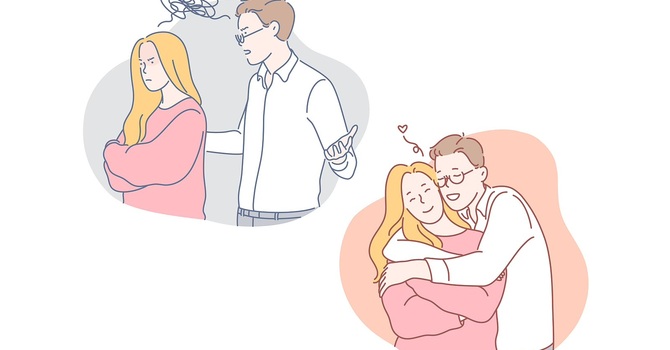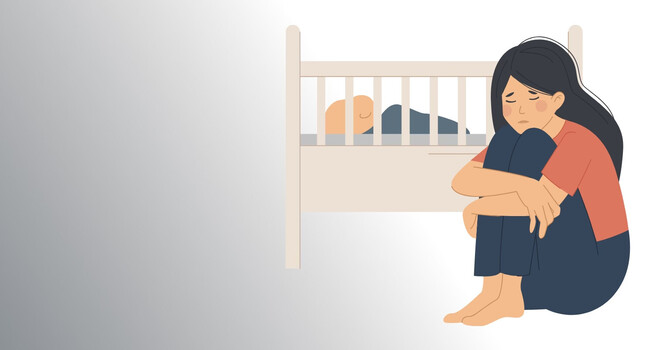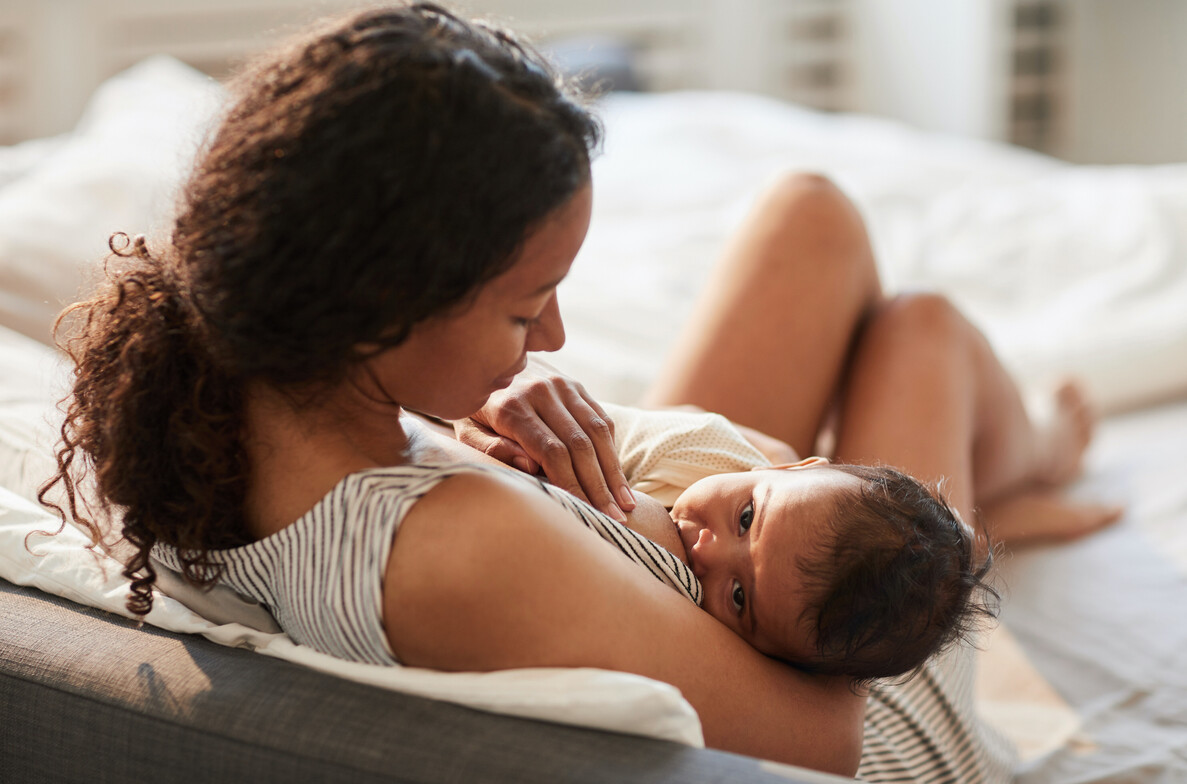
Not all postpartum struggles look like sadness. For many parents, the experience can feel less like calm and more like constant mental noise, ongoing worry, racing thoughts, and a nervous system that feels stuck in overdrive. While some level of concern or worry with a new baby is natural, when it becomes persistent or overwhelming, it may be Postpartum Anxiety (PPA).
Postpartum anxiety goes beyond the expected worries of caring for a newborn. It often involves excessive, hard-to-control thoughts that can feel intrusive and all-consuming, frequently centered around the baby’s safety, health, or well-being.
Despite how common this experience is, it is often overlooked or minimized, leaving many parents feeling alone in what they’re going through.
Common Signs and Symptoms
Postpartum anxiety does not always look the same for everyone, but some common experiences include:
- Constant or racing thoughts
- Feeling on edge or unable to relax
- Difficulty sleeping even when the baby is sleeping
- Intrusive “what if” thoughts (e.g., “What if something bad happens?”)
- Physical symptoms like a racing heart, dizziness, or nausea
- A strong need to check on the baby repeatedly
- Avoiding certain situations out of fear
Many parents describe feeling like their mind just will not “turn off.”
These symptoms can begin as early as during pregnancy or several months into the postpartum period, most often though they start within the first weeks after birth. One in five women report being affected by PPA symptoms, but because they can develop in non-child-bearing parents and perinatal mood and anxiety disorders are stigmatized, research suggests far more parents are affected than accounted for.
There can be an overlap in symptoms with postpartum depression and postpartum anxiety and commonly, people experience both conditions at the same time. Both can cause changes to appetite and sleep beyond what would be expected with a newborn in the house, fatigue, irritability, or difficulty focusing. Both can amplify feelings of inadequacy as a parent/spouse/etc, hopelessness, or overwhelm. To read more about postpartum depression specifically, check out my recent blog
Read more about the signs and symptoms of PPA from Cleveland Clinic.
Why It Happens
Postpartum anxiety, much like postpartum depression, doesn’t have a single clear cause; instead, it often develops from a combination of factors. After birth, significant hormonal changes can affect mood and emotional regulation, while ongoing sleep deprivation can make it harder to cope with stress.
The pressure and responsibility of caring for a newborn can feel overwhelming, especially for those who already have a personal or family history of anxiety. At the same time, becoming a parent brings a major life transition and shift in identity, which can be both exciting and unsettling.
For some, this transition also creates a strong desire to “get everything right,” which can intensify anxious thoughts and make worries feel more persistent.
The Role of Shame and Silence
One of the most challenging parts of postpartum anxiety is the shame that often comes with it.
Many parents find themselves thinking:
- “I should be happy.”
- “Other people seem to handle this just fine.”
- “What kind of parent thinks these things?”
These thoughts can feel confusing and even frightening, especially when they do not align with how you expected to feel after having a baby. Instead of recognizing anxiety for what it is, many parents turn inward, questioning themselves, their capabilities, and even their identity as a parent.
Shame has a way of keeping people quiet. It can make it harder to open up, ask for help, or even admit to yourself that you are struggling. You might worry about being judged, misunderstood, or seen as a “bad” parent. As a result, many parents carry these thoughts alone, trying to push through or hide how they are really feeling.
But…
Silence often deepens the struggle. When these experiences are not talked about, it can create the illusion that you are the only one feeling this way, when many parents are navigating similar thoughts and emotions behind closed doors.
Postpartum anxiety is very common, and it is not a reflection of your love, your strength, or your ability to care for your child. These thoughts do not define you; they are a signal that you may need support, care, and space to process what you are going through.
When to Reach Out for Support
You might consider reaching out for support if:
- Your anxiety feels persistent or hard to manage
- It begins to impact your day-to-day life
- You notice yourself avoiding things you once felt comfortable doing
- You feel caught in ongoing cycles of worry or fear
- Your thoughts feel intrusive, intense, or difficult to quiet
Reaching out is not a sign of weakness, it is a meaningful step toward feeling more grounded and like yourself again.
What Helps
There are effective ways to manage postpartum anxiety, and support can make a significant difference.
Some helpful approaches include:
1. Talking to a therapist
- Working with a mental health professional can help you understand your thoughts, reduce anxiety, and build coping strategies.
2. Learning grounding and regulation skills
- Techniques like deep breathing, mindfulness, and distress tolerance skills can help calm your nervous system.
3. Challenging anxious thoughts
- Anxiety often thrives on “what if” thinking. Learning to gently question and reframe these thoughts can reduce their intensity.
4. Building a support system
- Talking to trusted friends, family, or other parents can reduce isolation and normalize your experience.
5. Prioritizing rest (as much as possible)
- Sleep deprivation can intensify anxiety, so finding small ways to rest and recharge matters.
A Gentle Reminder
Postpartum anxiety can make you feel like you need to always be on high alert, but you do not have to carry that weight alone.
You can be a caring, attentive parent and struggle with anxiety. Both can be true.
With the right support, it is possible to feel calmer, more grounded, and more connected to yourself and your baby
Emily Russell
Licensed Counselling Therapist (LCT-C) with the College of Counselling Therapists of New Brunswick (CCTNB) and a Certified Canadian Counsellor (CCC) with the Canadian Counselling and Psychotherapy Association (CCPA).
Contact Me