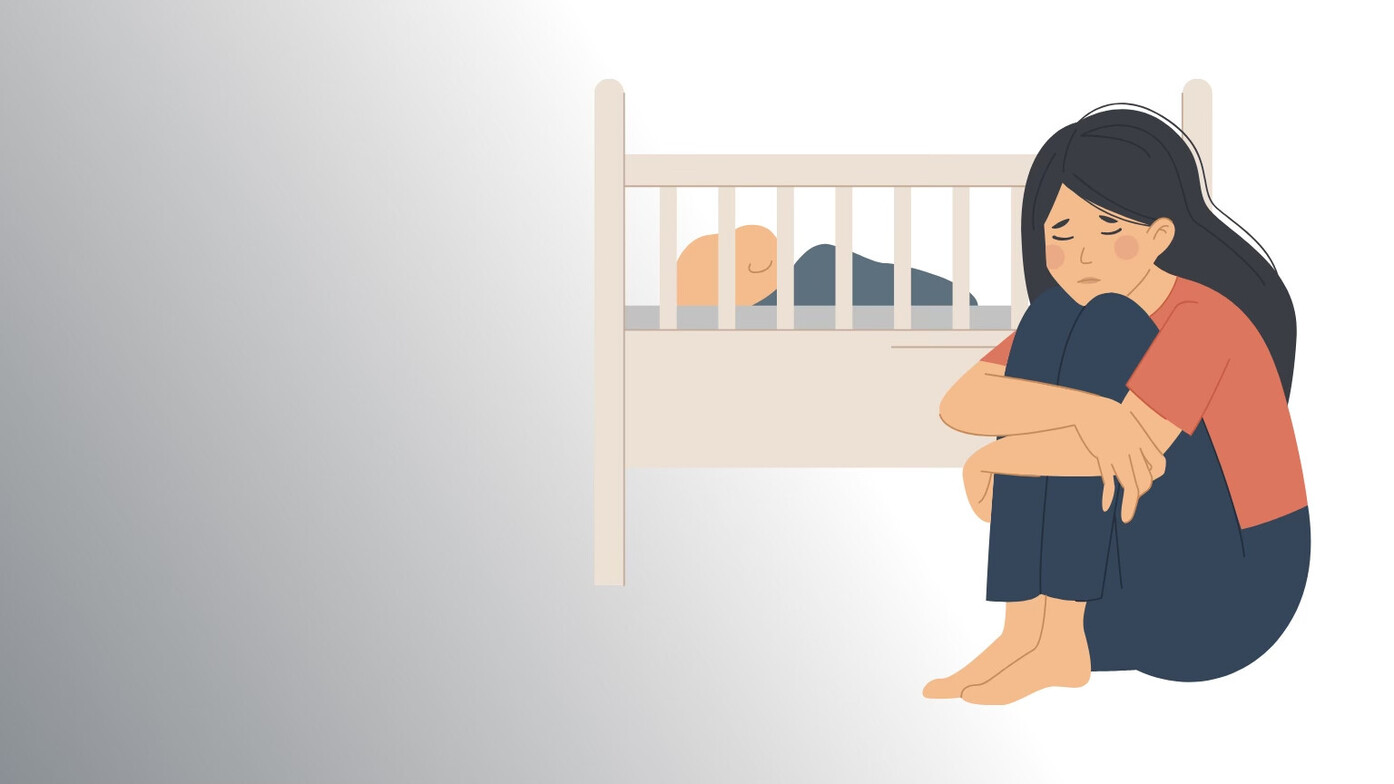
Bringing a baby into the world is often described as one of life’s most joyful experiences, but for many new mothers, it can also come with unexpected emotional challenges. While it’s normal to experience mood swings, tearfulness, or overwhelm in the early days after birth, sometimes these feelings go deeper and last longer. This may be postpartum depression.
What Is Postpartum Depression?
Postpartum depression is a common but serious mental health condition that can occur after giving birth. It affects how a person feels, thinks, and functions in daily life. Although it’s common to experience brief emotional shifts after birth, postpartum depression can stay with you longer and may not improve without care and support.
In Canada, postpartum depression is more common than many people realize. Research suggests that:
- Around 7.5% of Canadian women report depressive symptoms postpartum
- Other national data shows rates closer to 1 in 5 women experiencing symptoms consistent with postpartum depression
- Globally, about 10–15% of new mothers experience postpartum depression
This means that many mothers are quietly struggling, often without support.
Signs and Symptoms
Postpartum depression can look different for everyone, but some common experiences include:
- Persistent sadness
- Feelings of emptiness or hopelessness
- Feeling overwhelmed or unable to cope
- Loss of interest in things you once enjoyed
- Difficulty bonding with your baby
- Changes in sleep or appetite
- Intense irritability, anger, or anxiety
- Feelings of guilt, shame, or inadequacy as a parent
- Trouble concentrating or making decisions
Symptoms typically start six weeks after child birth, however they can begin during pregnancy or up to a year postpartum. PPD does not only affect biological mothers raising a newborn. Because of the hormonal, physical, emotional, and social changes that are all risk factors, postpartum depression can impact surrogates and adoptive parents as well.
Read more about the signs and symptoms from Cleveland Clinic.
In more severe cases, individuals may have thoughts of harming themselves or their baby. If you or someone you know are experiencing these thoughts seek immediate support and call 988 or 911.
Why Does It Happen?
There is no single cause of postpartum depression. Instead, it often results from a combination of factors:
- Hormonal changes after childbirth
- Sleep deprivation and physical recovery
- Emotional adjustment to a new identity and responsibilities
- Lack of support or feelings of isolation
- Previous experiences with anxiety, depression, or trauma
Research also highlights that high stress during pregnancy, limited social support, and a history of depression significantly increase the risk of postpartum depression.
The Impact of Silence
Many new mothers feel pressure to appear happy or “grateful,” which can make it difficult to talk about their struggles. Messages from society, social media, and even well-meaning loved ones can reinforce the idea that this should be the happiest time of their lives. When how they feel on the inside doesn’t match what’s expected of them, it can feel confusing and uncomfortable, leading many to stay quiet.
This silence often fuels feelings of shame, guilt, and isolation. Mothers may begin to question themselves: “Why am I not enjoying this?” or “What’s wrong with me?” Instead of recognizing postpartum depression as a common and treatable condition, they may internalize it as a personal failure. Over time, this can make symptoms feel heavier and more difficult to navigate.
Silence can also create barriers to support. When struggles are hidden, opportunities for connection, reassurance, and care are missed.
For many women, this silence is rooted in shame, the feeling that “I should be happier,” “I’m not a good mom,” or “Something is wrong with me.” These thoughts can make it hard to reach out, reinforcing the belief that they are the only ones struggling. Many mothers are navigating similar challenges behind closed doors.
When we consider that up to nearly 1 in 5 women experience symptoms, it becomes clear that postpartum depression is not rare, it's simply under-discussed. Breaking that silence through open conversations, shared experiences, and compassionate support can be a powerful step toward reducing stigma and helping mothers feel less alone.
When to Seek Support
If your symptoms are lasting longer than two weeks, feel intense, or are interfering with your ability to care for yourself or your baby, it may be time to seek support. Without support, these feelings can become more overwhelming over time and harder to manage. Reaching out early can help you feel better sooner and prevent things from escalating. You don’t have to wait until it feels unbearable.
Therapy can provide a safe space to:
- Process your emotions without judgment
- Understand patterns contributing to your distress
- Develop coping strategies to manage overwhelming feelings
- Rebuild a sense of confidence and connection
Evidence-based therapies such as cognitive behavioural therapy (CBT) and interpersonal therapy (IPT) have been shown to significantly reduce symptoms of postpartum depression. These approaches focus on shifting negative thought patterns, improving emotional regulation, and strengthening support systems all of which are key during the postpartum period.
If you’re new to therapy, you don’t need to have it all figured out. Starting somewhere and with someone you feel comfortable with can make a meaningful difference in your healing journey.
Moving Toward Healing
Recovery from postpartum depression is possible. With the right support, many individuals begin to feel more like themselves again, more connected, more grounded, and more hopeful.
If you’re struggling, know you are not alone. Thousands of women experience postpartum depression each year and support can make a meaningful difference.
Reaching out for help is not a sign of weakness, it's a powerful step toward caring for both yourself and your baby.
Emily Russell
Licensed Counselling Therapist (LCT-C) with the College of Counselling Therapists of New Brunswick (CCTNB) and a Certified Canadian Counsellor (CCC) with the Canadian Counselling and Psychotherapy Association (CCPA).
Contact Me